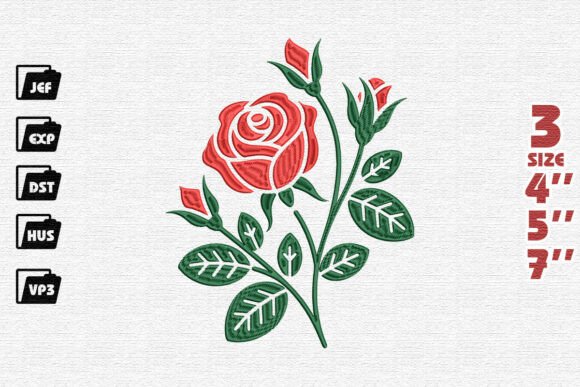
Classic Red Rose Stem Embroidery Design Review
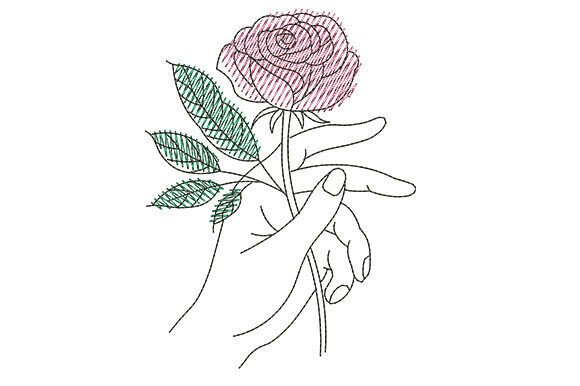
As an embroidery designer preparing for a busy weekend at the local craft fair, I spend hours scrutinizing every digital embroidery file in my library. The goal is simple: find designs that stop customers in their tracks, translate well to physical products, and can be produced efficiently in batches. Today, I am evaluating the Classic Red Rose Stem Embroidery Design. Based on its description as a "bold and beautiful" pattern featuring a single stylized rose in full bloom, this piece immediately strikes me as a potential bestseller for the Bouquets category within the broader Embroidery market.
First Impressions and Aesthetic Appeal
The moment you load this design into your software or view it on a screen, the vibe is unmistakable. It feels elegant, timeless, and slightly rustic without leaning too hard into the farmhouse trend. The use of a single red rose suggests a focus on classic romance and simplicity. For a craft fair booth, visual clarity is everything. Customers walking past a table have seconds to decide if they want to stop. This design works because it is instantly recognizable. It does not require explanation. The bold nature of the rose ensures it reads well from a distance, making it an excellent choice for booth samples that need to pop against various background colors.
Unlike intricate floral arrangements that can look muddy from afar, this stylized approach offers clean lines and strong definition. It bridges the gap between modern minimalism and traditional floral art. Whether placed on a neutral linen tote or a dark denim apron, the red hue promises to provide a striking contrast that draws the eye immediately.
Product Versatility for Market Sellers
When planning my inventory for a handmade market, I look for craft fair products that maximize the utility of a single design asset. The Classic Red Rose Stem Embroidery Design shines here due to its adaptability across different substrates.
- Tote Bags and Market Bags: This is likely the strongest application. A large-format version of this rose centered on a canvas tote creates a high-value tote bag design that appeals to shoppers looking for eco-friendly yet stylish carryalls.
- Aprons and Kitchen Textiles: For the culinary crowd, this design serves as perfect apron embroidery. Placed on the bib or the lower skirt, it adds a touch of sophistication to kitchen wear. Similarly, it translates beautifully to tea towel embroidery, turning a basic cotton towel into a giftable item.
- Patches and Pouches: If stitched onto twill or felt, this becomes a stunning embroided patch that can be sold separately or applied to denim jackets. Small fabric pouches also benefit from this focal point, creating a cohesive small shop product line.
- Caps and Pillows: While viable, these require more careful consideration regarding curvature and fabric texture, which I will address below.
Production Practicality and Batch Efficiency
For an Etsy seller or boutique maker, time is money. The description highlights a "single stylized rose," which usually implies fewer color changes and a more streamlined stitching process compared to complex multi-floral bouquets. This makes the Classic Red Rose Stem Embroidery Design highly suitable for batch production. You can hoop multiple items, run the machine, and move on to finishing without constant thread swapping.
Photography is another critical factor. In the world of online sales, your printable mockup and actual product photos must be crisp. Because this design is bold, it photographs exceptionally well. It retains its shape and color integrity in images, ensuring that your Etsy listings look professional and inviting. The clear definition helps potential buyers visualize the finished product on their own items, reducing hesitation and increasing conversion rates.
Critical Considerations for Execution
While the design holds immense potential, a professional review must also address the technical challenges. Not every surface is created equal, and ignoring fabric properties can ruin a great machine embroidery design.
Fabric Texture and Stitch Density
The term "bold" often correlates with higher stitch density to ensure the red color appears solid and vibrant. On thick fabrics like canvas tote bags or denim, this is rarely an issue. However, on textured towels or waffle-weave fabrics, dense areas might sink or lose definition. Always test the design on scrap fabric similar to your final product. If the texture interferes, you may need to adjust the underlay or choose a smoother fabric alternative.
Curved Surfaces and Small Details
Applying this to caps requires caution. The curved surface of a baseball cap can distort wide designs. Since this is a single stem rose, verify the width relative to your cap hoop size. If the design is too wide, the edges may wrap awkwardly around the curve. Additionally, check for tiny details in the petals or leaves. If the design includes very fine lines, they might break or look sparse when stitched at a smaller scale on a pouch or patch.
Color Contrast and Visibility
Red is a powerful color, but it can vanish against dark navy or black fabrics if the thread choice isn't precise. Ensure your thread colors offer enough brightness to stand out. Conversely, on white fabric, ensure the satin stitches are tight enough to prevent the background from peeking through. Using the right stabilizer is non-negotiable here; a cut-away stabilizer is often safer for wearable items to maintain the structure of the bold floral shape over time.
Maximizing Value and Brand Consistency
Incorporating the Classic Red Rose Stem Embroidery Design into your lineup can significantly boost your brand's perceived value. It signals quality and attention to detail. When customers see a consistent aesthetic across your tote bags, aprons, and home decor, it strengthens your brand identity. This design acts as a signature element, making your booth display feel curated rather than cluttered.
Furthermore, because it fits the "classic" mood, it has longevity. Unlike trendy phrases that date quickly, a red rose is perennial. This allows you to keep the design in your rotation for seasons, maximizing the return on your investment in the design assets.
Final Designer Notes and Recommendations
Before committing to a full production run for your next market, follow these essential steps:
- Test on Scraps: Never skip the stitch-out. Verify how the red thread interacts with your specific fabric blend.
- Check Licensing: Confirm the commercial licensing terms included with the file. Ensure you are cleared to sell finished products made with this commercial embroidery design.
- Verify Specifications: The product description mentions it is a digital file but does not specify exact stitch counts, available formats, or required hoop sizes. Check the download package carefully to ensure it matches your machine's capabilities.
- Create a Mockup: Produce at least one high-quality sample for your table display. Let customers touch and feel the texture of the stitches.
In conclusion, the Classic Red Rose Stem Embroidery Design is a robust contender for any handmade business. Its blend of elegance, boldness, and versatility makes it ideal for a wide range of handmade products. With careful attention to fabric selection and production details, this design can become a staple in your inventory, driving sales and enhancing your reputation as a skilled creator.