Desert Cactus Patch Embroidery File Review
As an embroidery designer who has spent years digitizing for small businesses and boutique brands, I approach every new machine embroidery design with a critical eye. It is not just about whether the artwork looks pretty on a screen; it is about how that design translates to fabric, how it holds up in production, and ultimately, how it serves the brand identity of the client using it. Recently, I had the opportunity to review the Desert Cactus Patch Embroidery File, a vibrant piece that promises to bring a touch of the Southwest to summer collections. Here is my professional assessment of its potential for commercial use.
First Impressions: Visual Personality and Appeal
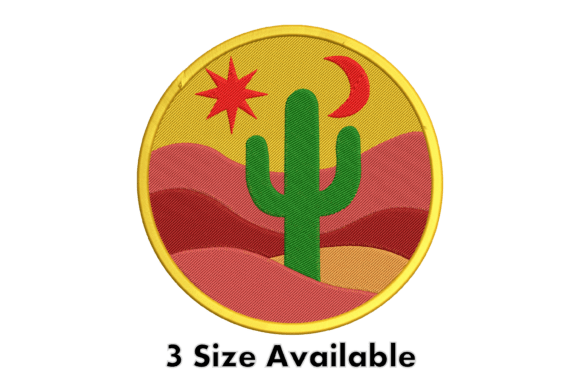
The first thing that strikes you about this design is its warmth. Featuring colorful dunes, a crescent moon, and a star set against a sunset palette, the aesthetic is undeniably friendly and inviting. It does not scream "corporate" or "industrial." Instead, it feels handmade, rustic, and playful. For businesses in the lifestyle, hospitality, or creative sectors, this visual personality is a significant asset. It evokes feelings of relaxation and natural beauty, which aligns perfectly with the Summer product category.
From a design perspective, the composition is balanced. The inclusion of celestial elements like the moon and star adds a whimsical touch that prevents the cactus motif from feeling too generic. However, as a designer, I immediately look at the color transitions. The description notes a "sunset palette," which implies gradient-like effects or distinct color blocks. In Embroidery, managing these transitions requires careful thread selection to ensure the finished product looks premium rather than muddy.
Real-World Business Applications
For small business owners, Etsy sellers, and merch creators, versatility is key. The Desert Cactus Patch Embroidery File offers several strong avenues for monetization and brand enhancement.
- Branded Patches: This is arguably the strongest use case. The self-contained nature of the design—framed by dunes and sky—makes it ideal for an embroidered patch. Patches are low-risk inventory for boutiques and can be applied to denim jackets, canvas bags, or hats later by the customer.
- Café and Boutique Uniforms: Imagine this design on the chest pocket of a linen apron in a sun-drenched café or a floral shop. It adds a layer of approachability to staff uniforms, reinforcing a brand identity that values nature and community.
- Tote Bag Design: Canvas tote bags are a staple for eco-conscious brands. Placing this vibrant cactus scene on a neutral beige or white tote creates a high-contrast, eye-catching accessory that customers are proud to carry.
- Cap Embroidery: While caps require careful digitizing due to curvature, the upper line style mentioned in the description suggests a design that could work well on the front panel of a dad hat or trucker cap, provided the size is adjusted correctly.
When used as part of a small business merch lineup, this design helps differentiate products from mass-produced alternatives. It signals to the buyer that attention to detail was paid, enhancing the perceived value of the handmade product.
Technical Considerations for Production
While the aesthetic is strong, technical execution is where many designs fail. The product description states that this is an "Upper line machine embroidery file" available in three sizes. This lack of specific technical data means we must proceed with caution during the testing phase.
Stitch Density and Fabric Texture
One of the primary concerns with colorful, detailed scenes is stitch density. If the dunes and sky are filled with dense satin stitches or tight fill patterns, the design may become stiff. This is problematic for custom apparel like t-shirts, where comfort is paramount. I recommend testing this design on a medium-weight cotton first. If you are embroidering on textured fabric, such as a waffle-knit towel or a rough canvas, ensure the underlay is sufficient to prevent the fabric grain from showing through the lighter thread colors.
Size and Scalability
The availability of three sizes is helpful, but you must verify the smallest size before committing to production. Detailed elements like the crescent moon and star can lose definition if scaled down too far. For cap embroidery or small chest logos, check if the smallest provided size maintains clarity. If the details merge into a blob, you may need to request a simplified version or stick to the larger sizes for items like tote bags and back patches.
Thread Color Contrast
The sunset palette relies on subtle shifts in orange, pink, and purple hues. On dark uniforms or navy blue apparel, these colors might get lost. Always create a printable mockup to visualize the contrast. You may need to adjust the thread colors slightly to ensure the design pops against darker backgrounds, or reserve this design specifically for light-colored garments.
Impact on Brand Identity and Customer Trust
Consistency in design assets builds trust. If your brand leans into bohemian, southwestern, or nature-inspired themes, the Desert Cactus Patch Embroidery File reinforces that narrative. When customers see high-quality commercial embroidery on their purchases, it validates the price point. A sloppy or poorly stitched design can damage reputation, but a crisp, vibrant cactus patch signals professionalism.
Furthermore, using such a distinctive design helps with recognition. In a sea of generic text-based logos, a graphical emblem like this becomes a visual shorthand for your brand. It works exceptionally well for customer gifts or event merch, where the goal is to create a memorable keepsake rather than just a uniform.
Practical Designer Notes for Implementation
Before you load this digital embroidery file into your machine for a large run, follow these steps to ensure success:
- Test on Real Fabric: Never skip the sample stitch-out. Use the same fabric and stabilizer combination you plan to use for production. A cut-away stabilizer is often best for patches to maintain shape, while tear-away might suffice for lightweight tees.
- Check Hoop Size Compatibility: Confirm that the largest size of the design fits within your standard hoop. If it requires a jumbo hoop, factor that into your pricing and production time.
- Review Commercial Licensing: The description does not explicitly detail license terms. Before selling items made with this design, confirm with the seller that you have the right to use it for commercial embroidery projects. Protect your business by ensuring your embroidery file usage is compliant.
- Create Client Mockups: If you are designing for a client, place the design on a photo of the actual garment. This manages expectations regarding size and placement, especially for tricky areas like sleeve details or curved cap fronts.
- Evaluate Wash Durability: Items like aprons and work shirts undergo frequent washing. Ensure the thread quality is high-rated for colorfastness, particularly with the vibrant reds and oranges in the sunset palette, which can sometimes fade faster than blues or greens.
In conclusion, the Desert Cactus Patch Embroidery File is a promising addition to any designer’s library, particularly for those targeting the summer market or niche lifestyle brands. Its strength lies in its evocative imagery and versatility across patches, bags, and apparel. However, its success depends entirely on proper technical setup. By respecting the limitations of stitch density, carefully selecting fabrics, and verifying licensing, you can transform this digital asset into a high-value finished product that elevates your brand and delights your customers.