Embroidery Style Parrots: A Designer's Fair Review
As I spread out my samples on the folding table before a busy weekend craft fair, my eyes immediately scan for designs that stop traffic. In the crowded world of handmade markets, you have seconds to capture a customer's attention. Today, I am evaluating Embroidery Style Parrots, a digital asset package intended for commercial use. My goal is simple: determine if this design translates from a screen into a tangible, sellable handmade product that justifies its price tag and labor.
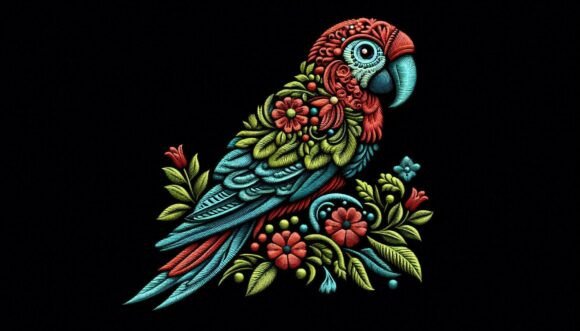
The first impression of Embroidery Style Parrots is undeniably vibrant and playful. While the package delivers high-resolution JPEG files rather than a native digital embroidery file, the visual style mimics the texture and charm of threadwork perfectly. It feels modern yet rustic, striking that sweet "farmhouse chic" note that dominates current home decor trends. For an Etsy seller or boutique maker, this aesthetic is gold. It suggests warmth and personality without feeling cluttered. The colors pop against neutral backgrounds, making it an ideal candidate for creating eye-catching marketing material and booth displays.
Visual Impact on Market Products
When envisioning this graphic on actual goods, the versatility is striking. Imagine a natural canvas tote bag design. Placing the parrot motif centrally creates an instant focal point. Customers walking past my booth are drawn to items that tell a story, and these parrots scream "tropical escape" or "joyful living." Similarly, for apron embroidery, this design works beautifully on the bib section. It transforms a utilitarian kitchen item into a statement piece suitable for gifting.
I also see strong potential for tea towel embroidery. Since the source files are high-resolution JPEGs, they can be used to create heat-transfer applications or stencils for hand-embellishment. On a waffle-weave towel, the bold lines of the parrot would stand out clearly. However, one must consider the fabric texture. If the towel is too loose or textured, fine details might get lost, so testing is crucial. For smaller items like fabric pouches or zippered cases, scaling the image down retains its cuteness, making it a perfect small shop product for impulse buys.
Beyond physical goods, these Illustrations and Graphics are invaluable for digital presence. As a commercial embroidery provider or digital seller, using these images to create printable mockup listings can significantly boost online conversion rates. They allow you to show customers exactly what the finished product will look like before you even stitch a single thread.
Production Practicality and Selling Points
From a production standpoint, the simplicity of the design is its greatest strength for batch production. At a craft fair, speed often equals profit. If I were digitizing this myself or using it as a reference for a machine embroidery design, the clear shapes suggest manageable stitch density. There do not appear to be excessive satin stitch columns that would cause puckering, nor overly complex fill areas that would consume hours of machine time.
The design works effectively as both a large focal point on a pillow cover and a small accent on a cap. This scalability is vital for inventory management. You can produce a range of price points—from a $15 patch to a $45 embroidered tote—using the same core artwork. For an embroidered patch, the bold outlines ensure the design remains legible even when reduced to two inches in diameter. This clarity at a glance is essential for booth sales; customers rarely lean in close to inspect details unless the overall shape has already grabbed them.
Photography is another area where Embroidery Style Parrots shines. The high contrast and distinct thread colors (simulated in the JPEG) photograph exceptionally well under various lighting conditions. Whether shooting in natural light for Instagram or under tent lights at a fair, the design retains its vibrancy, ensuring your online listings match the reality of the physical item.
Critical Considerations for Crafters
Despite the enthusiastic review, a professional designer must approach production with caution. Since the package provides JPEGs and not a stitched-out embroidery file, you cannot simply load this into your machine. You must either use it for sublimation/HTV or hire a digitizer to convert the artwork into a stitch file. If you choose to digitize it, pay close attention to specific technical challenges.
- Dense Stitch Areas: Ensure the green and red areas of the parrot do not become too dense, which can lead to needle breakage or bird nesting.
- Tiny Details: Be wary of the beak and eye details. On thick fabrics or textured towels, these small elements may disappear or look muddy.
- Curved Surfaces: If applying this to caps, remember that the curved surface distorts images. The design may need to be pre-distorted during the digitizing phase to look correct on the finished hat.
- Dark Fabric: The original JPEG likely assumes a light background. If stitching on dark navy or black fabric, you will need to add an underlay or outline to prevent the fabric color from showing through the lighter threads.
- Small Lettering: If you decide to add text like "Tropical Vibes" near the parrot, ensure the font size is large enough to stitch cleanly. Small lettering is a common failure point in embroidery.
Final Verdict for Business Owners
Incorporating Embroidery Style Parrots into your lineup can significantly enhance your brand consistency and booth display strength. The whimsical nature of the birds invites conversation, increasing buyer engagement. It adds a touch of premium handmade quality to otherwise standard blanks. However, success depends on execution.
Before committing to a full production run, I strongly advise following these practical steps:
- Test on Scrap Fabric: Always stitch or apply the design on the exact fabric you intend to sell. What looks good on cotton might fail on linen.
- Check Thread Contrast: Ensure your chosen thread palette matches the vibrancy of the original illustration.
- Review Spacing: Confirm there is enough negative space around the design so it doesn't feel cramped on smaller items.
- Confirm Hoop Size: Verify that your machine's hoop size can accommodate the design dimensions you want, especially for larger tote bags.
- Inspect Stitch Density: If digitizing, run a test to ensure the pull compensation is correct and the fabric doesn't pucker.
- Use the Right Stabilizer: Match your stabilizer to the fabric weight; cut-away is usually best for stretchy knits, while tear-away suits stable wovens.
- Create a Real Mockup: Make at least one physical sample to display. Photos of screens rarely sell as well as holding a real object.
- Compare Fabric Colors: Test the design on cream, white, and pastel fabrics to see which yields the highest perceived value.
- Confirm Licensing: The package states Commercial use allowed, but always double-check the specific terms regarding resale of the digital file versus the physical product.
Ultimately, Embroidery Style Parrots offers a fantastic opportunity for creative entrepreneurs. It bridges the gap between digital convenience and tactile artistry. With careful preparation and an understanding of the limitations of converting design assets into stitched goods, this collection can become a staple in your craft fair product inventory, driving sales and delighting customers who appreciate unique, handmade charm.