Growing Plant Embroidery Design Review for Business
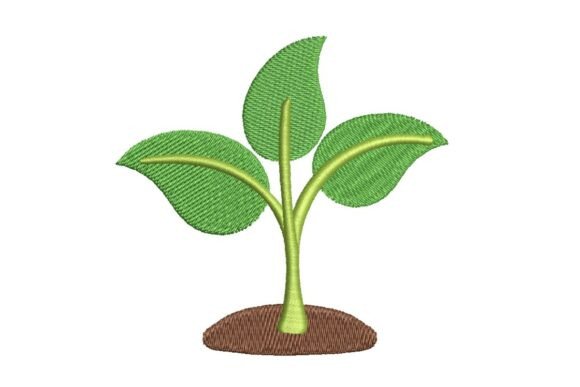
As an embroidery designer who has spent years digitizing logos and refining assets for small business merchandise, I approach every new machine embroidery design with a critical eye. It is not just about whether a file looks pretty on a screen; it is about how that digital embroidery file translates into a tangible finished product that builds brand value. Today, I am reviewing the Growing Plant Embroidery Design, a piece categorized under Single Flowers, to see if it holds up as a versatile asset for branded patches, uniforms, and boutique goods.
My first impression of the Growing Plant Embroidery Design is one of understated professionalism. In a market often cluttered with overly complex or trendy graphics, this design offers nature-inspired simplicity. It feels friendly yet grounded, making it an excellent candidate for businesses that want to project an image of growth, sustainability, and care. Whether you are running a local café, a florist shop, a pet brand, or a handmade studio, the visual personality here is adaptable. It avoids being too childish or too rigid, striking a balance that works well for both modern startups and established local enterprises.
Real-World Application for Small Business Merch
The true test of any embroidery file is its utility in real-world scenarios. For small business owners, the Growing Plant Embroidery Design shines as a flexible component of small business merch. Imagine a boutique coffee shop looking to upgrade their staff uniforms. This sprouting plant motif works beautifully as a chest logo accent on work shirts or as a subtle detail on the sleeve. It adds a touch of organic warmth without overpowering the uniform's primary color.
For retail environments, the potential for embroidered patch creation is significant. A bakery or creative studio could commission a run of iron-on or sew-on patches featuring this design to sell as add-on items at the counter. These patches serve as low-cost, high-margin products that customers love to collect. Furthermore, the design is perfectly suited for tote bag design. Eco-conscious brands often seek imagery that reflects their values, and this growing plant symbolizes exactly that. Stitched onto a canvas tote, it transforms a simple bag into a statement piece that promotes eco-friendly living.
I also see strong potential for cap embroidery. The clean lines of the sprout suggest it would sit well on the front panel of a baseball cap or a beanie, provided the digitization handles the curve correctly. For service industries like landscaping or gardening centers, this design could be the centerpiece of an apron embroidery project, reinforcing the connection between the staff and the earth they work with. Even as a small mark on product packaging accents or a tag on a handmade product, this asset adds a layer of perceived quality.
Technical Considerations and Placement Challenges
While the aesthetic is strong, we must discuss where the Growing Plant Embroidery Design should be used carefully. As a designer, I always warn clients about the limitations of small-scale embroidery. If you intend to use this as a tiny label or a very small patch, you must verify the stitch density. High density in a small area can lead to puckering, especially on lighter fabrics. The fine details of the sprouting leaves need enough space to breathe; otherwise, they may merge into a solid blob of thread.
Curved surfaces present another challenge. When applying this to a cap front or a rounded sleeve, the fabric texture and the curvature can distort the design. It is crucial to check how the columns of the stem align on these surfaces. Additionally, consider the thread colors against dark uniforms. A light green sprout might get lost on a forest green shirt unless there is sufficient contrast or an underlay strategy in place. For items that require frequent washing, such as staff aprons or daily-wear tees, ensure the satin stitches are secure and the edges are well-tacked to prevent fraying over time.
Before committing to a large production run, I strongly advise testing the design in black and white first. This helps you evaluate the shape and clarity of the design without the distraction of color. Check if it remains recognizable at the smallest intended size. Review the spacing between elements to ensure no thread breaks occur during high-speed stitching. Confirm the required hoop size fits your machine's capabilities, and always test on the actual fabric you plan to use. Fabric texture plays a huge role; a rough linen will behave differently than a smooth polo knit. Using the proper stabilizer is non-negotiable to maintain the crispness of the sprout.
Elevating Brand Identity and Customer Trust
Beyond the technical specs, the Growing Plant Embroidery Design has a profound impact on brand identity. Consistency is key to building customer trust. By using this single, cohesive image across various touchpoints—from employee uniforms to customer gifts—you create a visual language that says "growth" and "care." This consistency enhances professionalism and makes your brand more memorable.
For Etsy sellers and craft business owners, incorporating this design into your design assets can increase buyer engagement. Customers are drawn to products that feel thoughtful and curated. A tote bag or a hat featuring this elegant, minimalist plant suggests that the brand cares about detail and quality. It elevates the perceived value of the custom apparel or accessory, allowing you to potentially command a higher price point. In the realm of commercial embroidery, having a library of reliable, nature-themed designs like this one allows for quick turnaround on client requests for Earth Day projects or spring promotions.
To maximize the effectiveness of this asset, create a printable mockup for client approval before stitching a single thread. Visualizing the Growing Plant Embroidery Design on a digital representation of the final product helps manage expectations and ensures everyone is aligned on the placement and scale. Compare it beside other design assets in your portfolio to ensure it complements your existing visual style rather than clashing with it.
Finally, a crucial note on legality and usage: always confirm commercial licensing before business use. While this review focuses on the design's application, the terms of the license dictate how you can sell the finished goods. Do not assume rights; read the documentation provided with the digital embroidery file. If specific details regarding stitch count, exact file formats, or hoop restrictions are not clearly included in the product description, reach out to the creator or check the listing details thoroughly before production.
In conclusion, the Growing Plant Embroidery Design is a robust tool for the modern embroiderer and small business owner. Its blend of simplicity and symbolic meaning makes it a versatile choice for Single Flowers categories within a larger branding strategy. With careful attention to technical execution and strategic placement, this design can become a staple in your repertoire of Embroidery projects, driving both aesthetic appeal and business growth.