Spooky Halloween Skeleton Embroidery Review
As an embroidery designer who spends more time staring at stitch maps than most people spend looking at their families, I approach every new download with a critical eye. We all know the feeling: you find a design that looks adorable in the thumbnail, but once you load it into your software or hoop it up, the reality is a mess of underlay issues and impossible density. Recently, I came across the Spooky Halloween Skeleton Embroidery file on Creative Fabrica, and given the upcoming rush for seasonal goods, I knew I had to evaluate whether this was a viable asset for my commercial workflow.
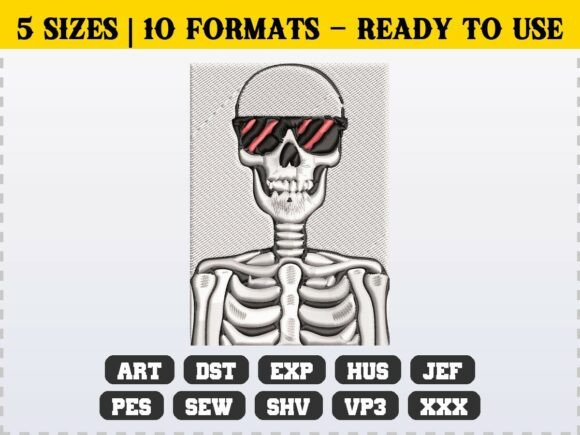
This isn't just another bony figure; the description highlights a skeleton with "attitude," sporting trendy sunglasses. In the world of custom apparel and handmade gifts, personality is everything. A generic skeleton is forgettable, but one with a bit of swagger? That's a bestseller waiting to happen. Here is my honest breakdown of how this machine embroidery design holds up when moved from the digital screen to actual fabric.
First Impressions and Visual Mood
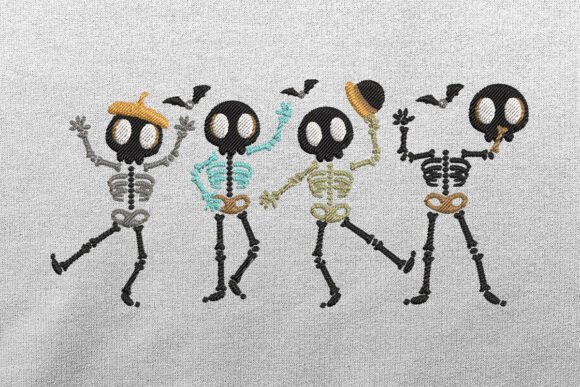
The moment I previewed the Spooky Halloween Skeleton Embroidery, the vibe was immediately clear. It strikes a perfect balance between spooky and cute, making it versatile enough for children's wear without being too scary, yet stylish enough for adult streetwear. The inclusion of sunglasses adds a modern touch that elevates it above standard holiday clipart.
From a technical standpoint, the visual mood suggests a mix of stitch types. Typically, designs like this rely on clean satin stitch columns for the outlines and the frames of the glasses to create sharp definition, while utilizing fill stitch for the broader bone areas to ensure durability. The "attitude" mentioned in the product description translates well into the posture of the skeleton, which appears dynamic rather than static. For designers looking to create a cohesive brand aesthetic, this kind of character-driven art is invaluable for building recognition among customers browsing Etsy or craft fair booths.
Real-World Application Scenarios
The true test of any digital embroidery file is its adaptability across different products. I mentally ran through my current order queue to see where this design would fit best.
- Tote Bag Design: This is arguably the strongest use case. The bold lines of the skeleton would pop beautifully against canvas or heavy cotton. A black skeleton on a natural beige bag is a classic look that sells year-round, not just in October.
- Sweatshirt Embroidery: French terry and fleece are tricky due to the pile, but a design with strong definition like this usually performs well. Placing it on the left chest or as a large back piece could create a high-value boutique item.
- Embroidered Patch: Creating a merrow-edge patch with this design is a fantastic idea. Patches are low-risk for sellers because they don't require sizing adjustments for different garments. You can stitch a batch of these skeletons onto twill and sell them as add-ons.
- Kitchen Towels and Aprons: For the home decor market, this adds a fun seasonal twist to everyday items. However, one must consider the washability factor here.
For Etsy sellers and small business owners, the versatility of this Creative Fabrica embroidery asset means you can create a wide range of listings from a single purchase. Whether it's a personalized gift for a kid named "Jack" (with added lettering) or a standalone statement piece, the potential is there.
Technical Considerations and Stitching Performance
Before committing to a customer order, we have to talk about the mechanics. While the product description teases the style, it doesn't explicitly list the stitch count, specific hoop size requirements, or exact file formats included. This is a crucial step where many designers skip due diligence. My advice is to always check the product page details thoroughly before downloading.
Here are the specific technical hurdles I would investigate before stitching the Spooky Halloween Skeleton Embroidery on a final product:
- Stitch Density: Skeletons often have thin, elongated shapes. If the stitch density is too high, the fabric will pucker, especially on stretchy materials like sweatshirt fleece. If it's too low, the backing might show through. I would run a test on scrap fabric identical to my final material to check for registration issues.
- Small Details: The sunglasses are the star of the show. Tiny details like the arms of the glasses or the lenses can be problematic if they are smaller than 0.2 inches. On a cap or a textured towel, these small elements might get lost or cause thread breaks. Inspecting the zoomed-in view in your embroidery software is non-negotiable.
- Fabric Compatibility: Dark fabrics are popular for Halloween, but stitching a black outline on a black shirt requires careful thread selection. You might need to swap the outline color to a dark grey or navy to make the design visible. Conversely, on light fabrics, ensure the underlay isn't peeking out around the edges.
- Stabilizer Choice: For a design with this much character, using the wrong stabilizer can ruin the drape of a garment. For knits, a cut-away is usually safer to prevent distortion over time, whereas a tear-away might suffice for stable wovens like tote bags.
Enhancing Product Value and Brand Trust
In the competitive landscape of handmade goods, the quality of your finished product directly impacts buyer trust. Using a well-digitized design like the Spooky Halloween Skeleton Embroidery signals professionalism. When a customer receives an item where the stitches are crisp, the colors are vibrant, and the design doesn't warp after washing, they are far more likely to return.
Furthermore, this design aids in product photography. The "cool" factor of the sunglasses makes for engaging social media content. Imagine a flat lay of this skeleton on a denim jacket next to some autumn leaves; it tells a story instantly. High-quality design assets allow you to create better printable mockups for your online store, helping customers visualize the end result before they buy.
Consistency is key for brand building. If your shop specializes in quirky, modern holiday items, this skeleton fits right in. It helps maintain a visual language that customers associate with your brand. However, always verify the licensing terms on the Creative Fabrica product page. Most files allow for unlimited physical sales, but confirming that you are compliant for commercial embroidery projects is essential to protect your business.
Final Verdict for Designers
The Spooky Halloween Skeleton Embroidery appears to be a strong contender for your autumn production line. Its blend of traditional holiday imagery with a modern, attitude-filled twist gives it broad appeal. However, as with any embroidery file, the devil is in the details. Do not assume the digitizing is perfect out of the box.
My recommendation is to treat this as a premium component of your workflow. Purchase the design, but immediately invest time in testing. Check the thread colors against your inventory, experiment with different stabilizer combinations, and ensure the hoop size aligns with your machine's capabilities. If the test stitch-out on scrap fabric looks clean, with no excessive trimming needed and smooth satin columns, then you have a winner.
For those looking to expand their handmade product offerings this season, this design offers a solid foundation. Just remember: the difference between a good product and a great one is often the preparation you do before the needle even touches the fabric. Happy stitching!